Overview
The modern job application process has become increasingly automated, with the majority of large and mid-size companies using Applicant Tracking Systems (ATS) to screen resumes before they ever reach a human recruiter. These systems scan thousands of resumes, looking for specific keywords, skills, qualifications, and formatting that match job requirements. Resumes that don't pass ATS screening are automatically rejected, regardless of how qualified the candidate might be. This means that even highly qualified candidates can miss opportunities if their resumes aren't optimized for ATS compatibility.
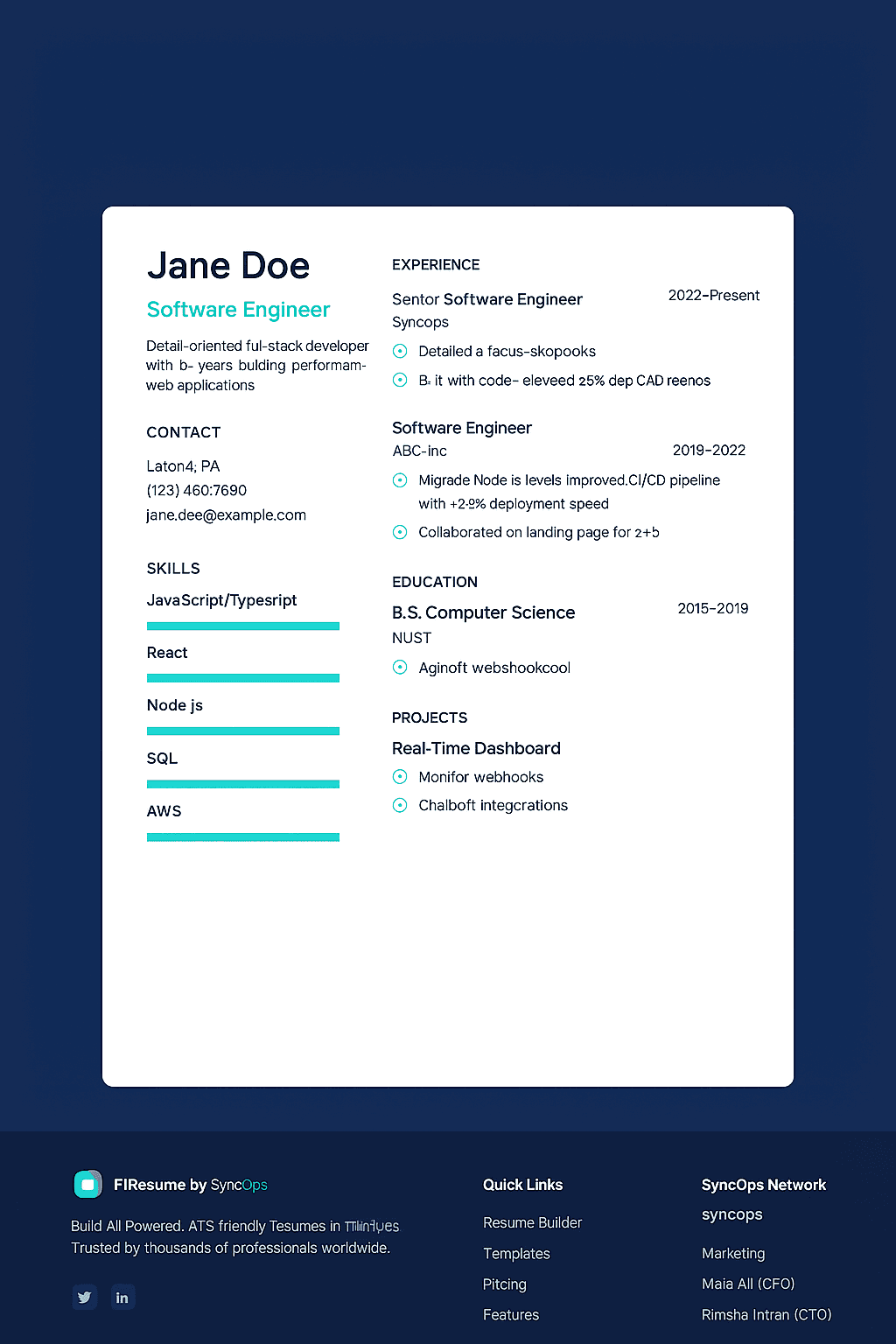
The challenge for job seekers is that ATS systems operate differently than human readers. They rely on exact keyword matching, specific formatting requirements, and structured data extraction. A resume that looks great to human eyes might be completely unreadable to an ATS if it uses graphics, complex layouts, or non-standard formatting. Similarly, a resume that doesn't include the right keywords—even if the candidate has the relevant experience—may be filtered out before a human ever sees it.
Many job seekers attempt to "game" the system by keyword stuffing—loading their resumes with as many relevant keywords as possible, even if they're not accurate or relevant. This approach can backfire, as it makes resumes less readable, reduces authenticity, and can actually hurt ATS scores if keywords are used unnaturally or excessively. The key is finding the right balance: optimizing for ATS compatibility while maintaining resume quality, authenticity, and human readability.
FitResume's ATS Optimization Guide provides comprehensive strategies for creating resumes that pass ATS filters while maintaining their impact and authenticity. The guide recognizes that ATS optimization is not about tricking the system, but about presenting your qualifications in a way that both machines and humans can understand and appreciate.
The guide covers essential ATS optimization strategies including keyword optimization (using relevant terms naturally throughout the resume), proper formatting (clean layouts with standard section headings), structure optimization (ensuring information is in expected locations), and content optimization (highlighting quantifiable achievements and impact). It also addresses common mistakes that cause ATS failures, such as using graphics, tables, or complex layouts that ATS systems cannot parse.
What sets FitResume's approach apart is its emphasis on maintaining authenticity. The guide shows how to optimize for ATS without keyword stuffing, how to highlight genuine qualifications effectively, and how to create resumes that are both ATS-friendly and compelling to human readers. The goal is to create resumes that pass ATS screening and then impress human recruiters and hiring managers.
By following the strategies in this guide, job seekers can significantly improve their ATS pass rates, leading to more interview opportunities and better job search outcomes. The guide recognizes that ATS optimization is an essential skill in modern job searching, but one that can be mastered with the right knowledge and approach.
How it works
- Analyzes job descriptions to identify key terms
- Suggests role-specific keywords and skills
- Ensures proper resume structure and formatting
- Highlights quantifiable achievements and impact
- Validates ATS compatibility before submission
Benefits
- Higher ATS pass rates
- More interview opportunities
- Better keyword alignment with job requirements
- Maintained resume authenticity
- Improved overall application success
Implementation/Checklist
- Review target job descriptions for keywords
- Incorporate relevant skills and technologies
- Use quantifiable metrics (numbers, percentages)
- Ensure clean formatting and structure
- Avoid graphics and complex layouts
- Use standard section headings
- Test resume with ATS checker before submitting
FAQ
Should I keyword stuff my resume?
No. Use relevant keywords naturally throughout your resume. Keyword stuffing can hurt readability and authenticity.
What format works best for ATS?
Simple, clean formats with standard headings (Experience, Education, Skills) work best. Avoid graphics, tables, and complex layouts.