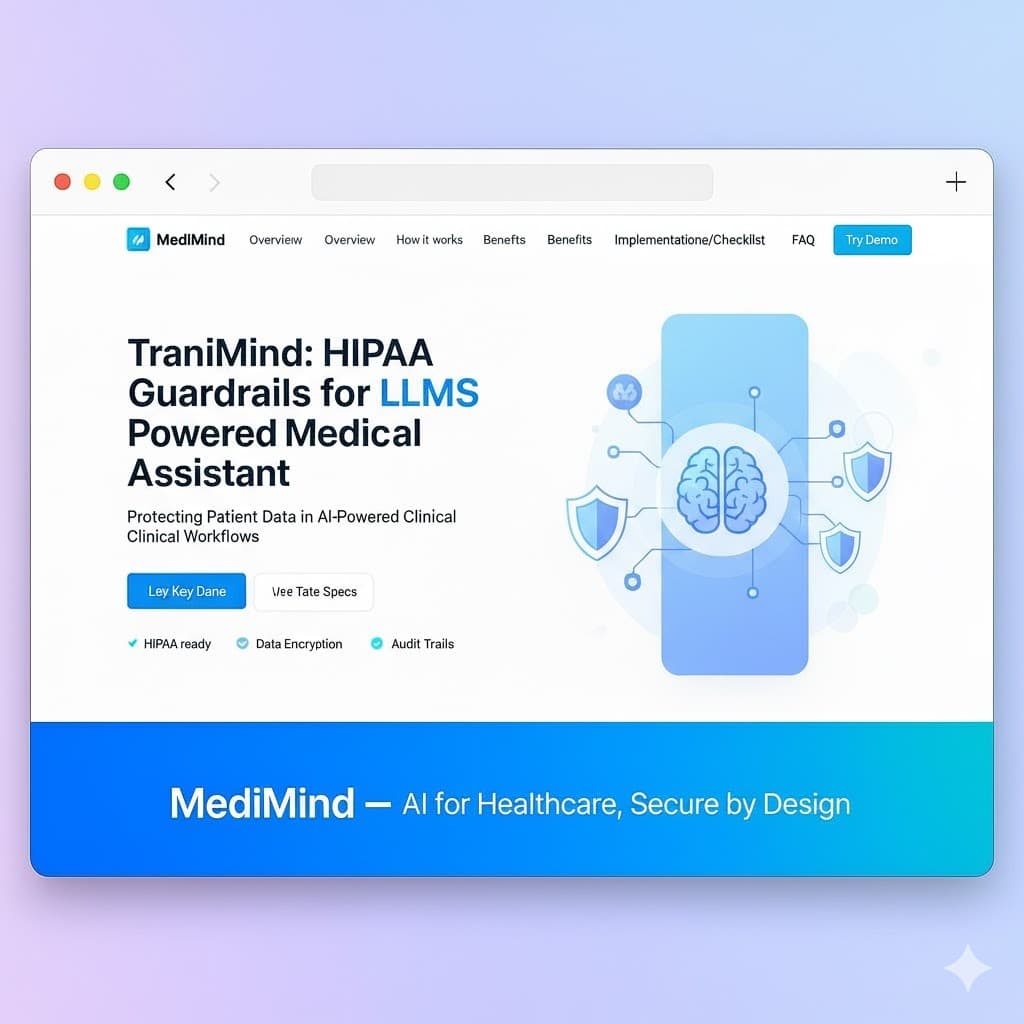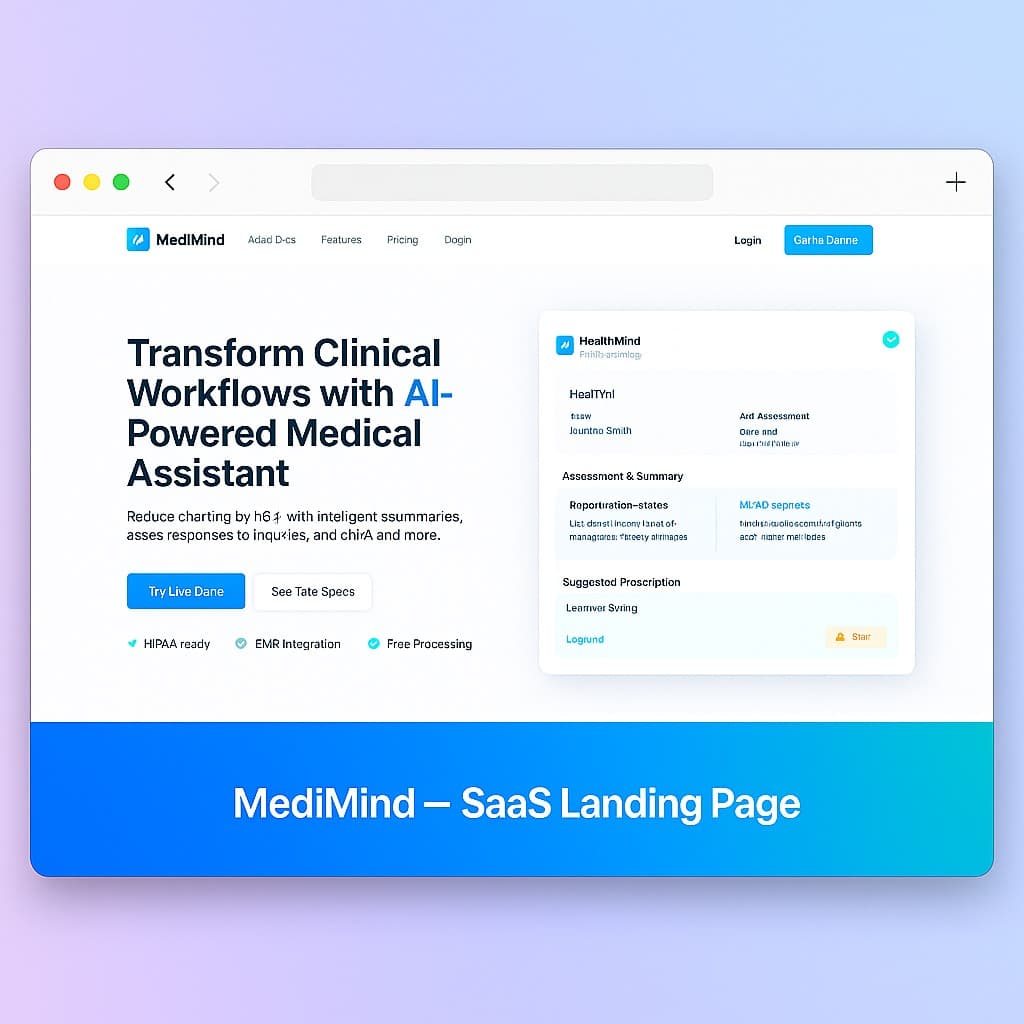
Overview
Healthcare providers face an overwhelming documentation burden that consumes significant time and resources while potentially impacting patient care quality. Clinical documentation exists in various formats—free-text notes, lab reports, encounter summaries, discharge summaries, and consultation reports—each containing critical patient information that must be synthesized for effective care delivery. The challenge is that this information is often unstructured, making it difficult to quickly extract key clinical facts, identify important patterns, or share information efficiently between care providers.
Traditional approaches to clinical documentation review require clinicians to manually read through extensive notes, identify key information, and synthesize it into actionable insights. This process is time-consuming, prone to human error, and can lead to important information being overlooked. In busy clinical environments, this documentation burden can reduce time available for direct patient care and contribute to clinician burnout.
MediMind's Clinical NLP (Natural Language Processing) solution addresses these challenges by automatically extracting structured information from unstructured clinical text. The system uses advanced NLP techniques combined with clinical ontologies—comprehensive medical knowledge bases that map clinical concepts, terminology, and relationships—to understand medical language in context. This enables the system to identify problems, medications, orders, diagnoses, procedures, and other critical clinical information from free-text documentation.
The system's ability to understand clinical context is crucial. Medical language is highly specialized, with abbreviations, synonyms, and context-dependent meanings that general-purpose NLP systems cannot reliably interpret. MediMind's clinical NLP is trained on medical terminology, understands clinical relationships (such as drug-disease interactions), and can distinguish between similar terms based on context. For example, it can differentiate between "diabetes" as a diagnosis versus "diabetes" mentioned in a family history.
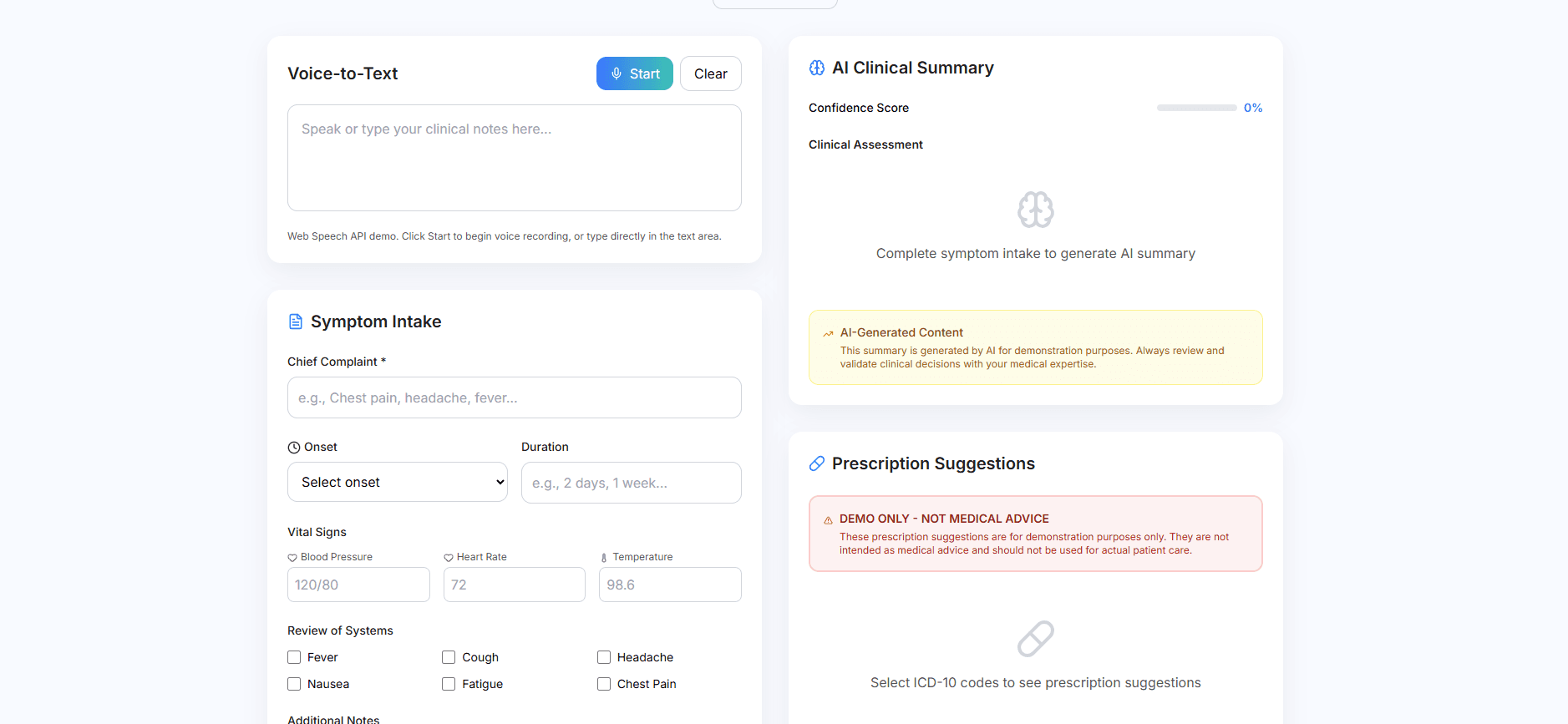
Chart summarization is one of the most valuable applications of this technology. The system can quickly review a patient's entire chart—including notes from multiple encounters, lab results, and reports—and generate a structured summary that highlights key clinical facts. This enables clinicians to quickly understand a patient's current status, active problems, medications, and recent changes without reading through pages of documentation.
The system maintains accuracy and clinical relevance through multiple mechanisms. It validates extracted information against clinical guidelines and standards, flags uncertain or ambiguous information for review, and provides source citations for all extracted facts. This ensures that clinicians can verify information and understand its origin, maintaining trust in the system's output.
By enabling fast, accurate chart summarization, MediMind helps reduce documentation burden, improve care coordination, enhance clinical decision-making, and ultimately improve patient outcomes while allowing clinicians to focus more time on direct patient care.
How it works
- Processes free-text clinical notes and reports
- Maps text to medical concepts using clinical ontologies
- Extracts problems, medications, orders, and diagnoses
- Generates structured summaries with source citations
- Validates against clinical guidelines and standards
Benefits
- Faster documentation and chart review
- Improved accuracy through structured extraction
- Better care coordination with clear summaries
- Reduced documentation burden on clinicians
- Enhanced clinical decision support
Implementation/Checklist
- Integrate with EHR systems
- Configure clinical ontologies and terminology
- Set up validation rules and quality checks
- Train clinical staff on summary review
- Establish feedback loops for continuous improvement
- Ensure HIPAA compliance and data security
FAQ
How accurate are the summaries?
MediMind achieves high accuracy by using clinical ontologies and validation rules, with all summaries requiring clinician review before finalization.
Can it handle different medical specialties?
Yes. The system can be configured with specialty-specific ontologies and terminology to handle various medical domains.